



GRANOVA transforme une zone commerciale à Brême
Le terrain est une ressource précieuse, et les terrains inoccupés se font de plus en plus rares. En Allemagne, 50 hectares de terrain en moyenne sont consacrés chaque jour à de nouveaux projets de logement et de transport à l'échelle nationale (Source : Destatis). Une évolution qui rend nécessaire de préserver les espaces verts existants et d'en gérer l'utilisation de manière à la fois intelligente et durable.
La durabilité, un facteur déterminant
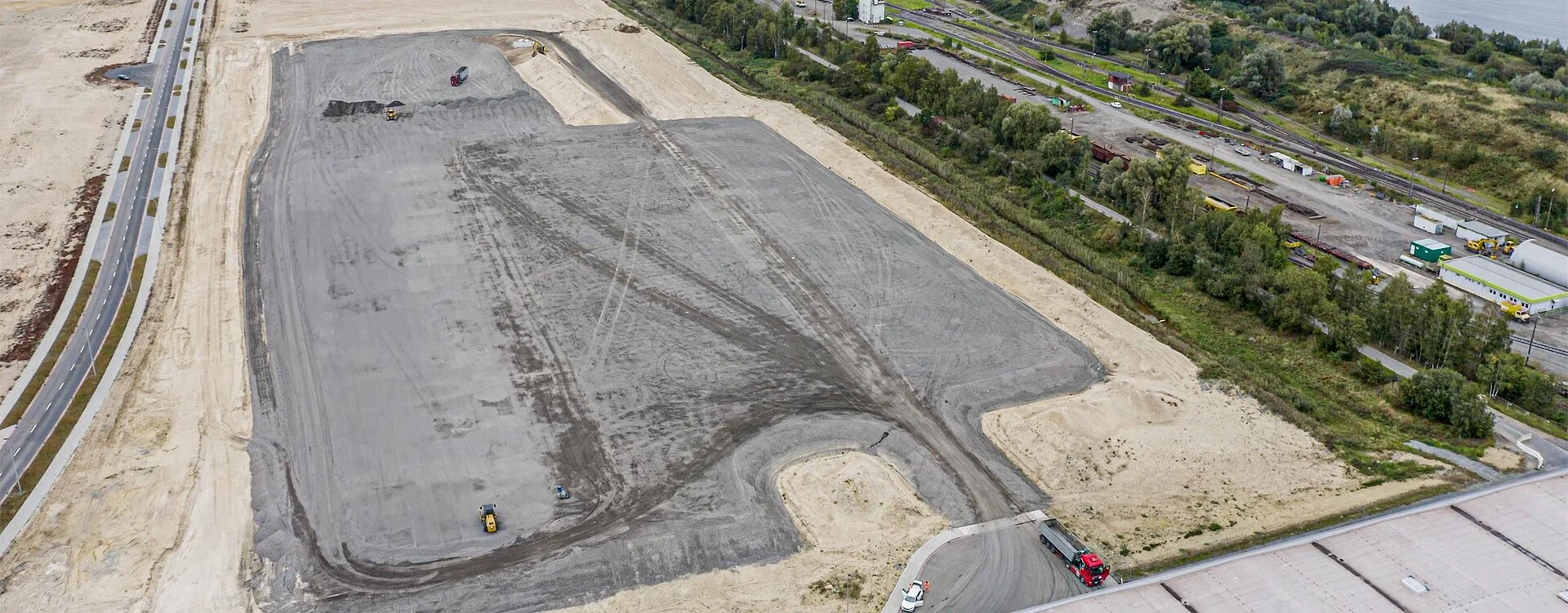
Un projet commun mené sur un site à Brême montre comment une utilisation responsable des sols peut aller de pair avec la protection du climat et la préservation des ressources naturelles. Situé à proximité immédiate d’une zone commerciale et industrielle, ce site de la ville hanséatique se prête parfaitement à un usage commercial. Son aménagement n’était toutefois pas possible, car le terrain, d’une superficie d’environ 1 hectare, se caractérisait par un sous-sol marécageux et donc instable. Un nouveau développement ne pouvait avoir lieu qu’après stabilisation préalable de cette friche industrielle. C’était précisément l’objectif du projet, qui s’est principalement appuyé sur GRANOVA.
Afin de relier cette zone auparavant inutilisable à la zone industrielle, la MAV – une société affiliée à REMEX – a livré en 2021 et 2022 d’importants contingents de cendres de fond d’incinérateur (IBA) GRANOVA à Brême. Dans le cadre de la stabilisation du sous-sol, le matériau a été incorporé au sol spongieux à l’aide de chenilles et de rouleaux. Pas à pas, un sol porteur a été créé.
GRANOVA est parfaitement adapté à l’amélioration des sols existants. Ce matériau de construction soumis à un contrôle qualité offre une qualité constante en termes de granulométrie et de composition, et est facile à manipuler et à compacter. Au-delà de son adéquation parfaite pour la consolidation des sols, GRANOVA présente des avantages environnementaux évidents. Si le sol du site de Brême avait été amélioré de manière conventionnelle, cela aurait nécessité l’extraction de grands volumes de granulats naturels. Or, les sources de matières premières minérales sont limitées et des pénuries d’approvisionnement sont déjà imminentes pour certains types de granulats. De plus, l’extraction minière aurait encore accru la consommation de paysage.
Afin de garantir une stabilité suffisante, environ 300 000 tonnes de GRANOVA ont été utilisées dans le cadre de ce projet d'envergure mené dans la ville hanséatique.
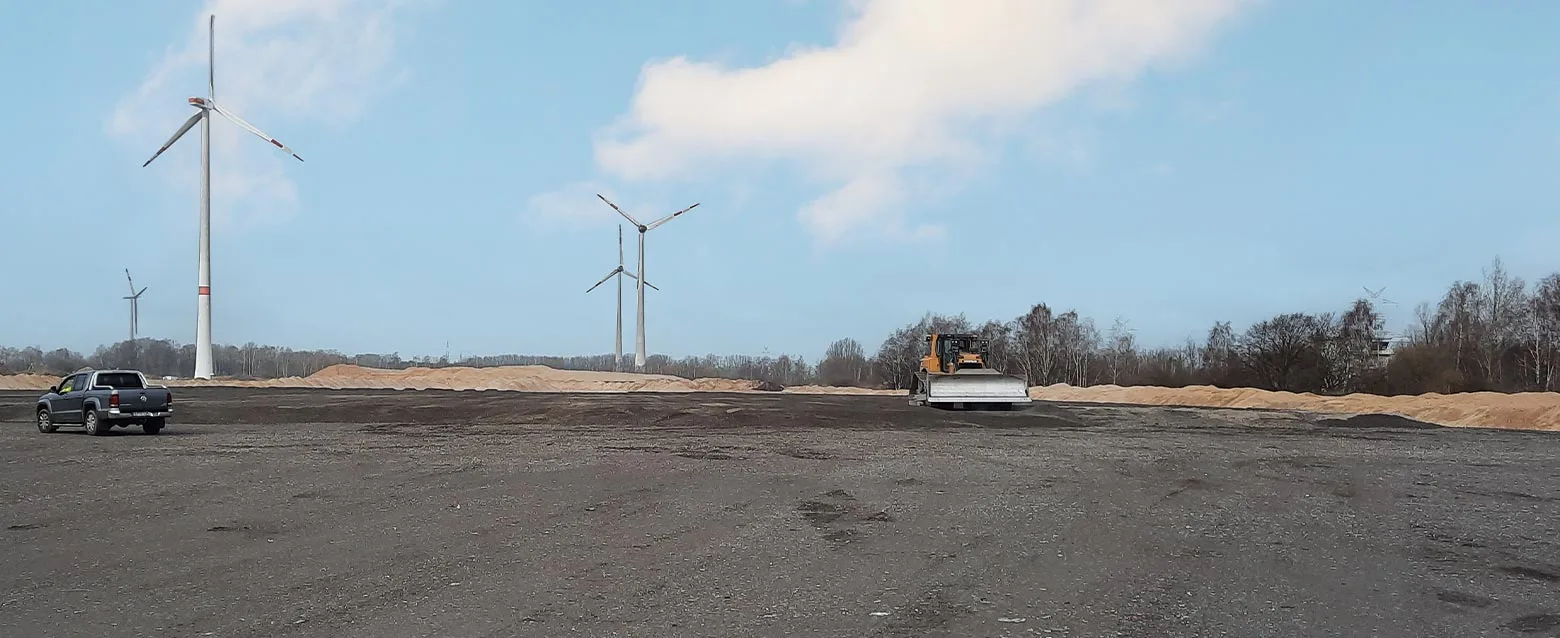
Pour des raisons liées au climat et à la protection de l'environnement, le transport vers le nord s'est effectué par voie fluviale. Le point de départ et la destination étant bien reliés au réseau fluvial, les chargements GRANOVA ont pu être embarqués directement à Lünen à bord de navires de transport de marchandises, puis acheminés par les canaux de navigation et la Weser jusqu'à un port situé à proximité du chantier. Le transport par camion n'a donc été nécessaire que pour la dernière partie du trajet, qui était courte.
Impressive ecological benefits
Quels sont les avantages de l'utilisation de GRANOVA pour l'environnement ? Grâce à la récupération des granulats recyclés issus de l'incinération des déchets, environ 170 000 m³ de matériaux naturels tels que le gravier, le sable ou la graville ont été préservés. De plus, la réhabilitation de la zone industrielle désaffectée apporte des avantages en termes de préservation du paysage. Par ailleurs, le traitement et le recyclage ultérieur des mâchefers permettent d'économiser un espace précieux dans les décharges. Enfin, le climat en bénéficie également. Des métaux sont récupérés lorsque les mâchefers sont transformées en graves. En ce qui concerne le volume de GRANOVA utilisé à Brême, cela a permis d'économiser 60 000 tonnes de CO2. Dans l'ensemble, il s'agit d'un projet phare qui prouve que les granulats secondaires sont parfaitement adaptés pour rendre les projets de construction durables.
Lieux REMEX
Retrouvez ici les coordonnées de toutes les entreprises et sites du groupe REMEX.
Implantations du groupe REMONDIS
Découvrez l'univers de REMONDIS avec ses 1 500 succursales et partenaires implantés dans plus de 30 pays.