



Chances for more sustainable concrete and cement
The cement and concrete industry is keen to reduce the carbon footprint of hydraulically bound construction materials and to improve the resource consumption in the overall production process. This is where secondary materials come into play to – partially or fully – replace sand and gravel and/or to optimise cement production with alternative raw materials. Three exemplary R&D projects from Germany demonstrate the potential lying in incinerator bottom ash.
IBA Eco-Concrete
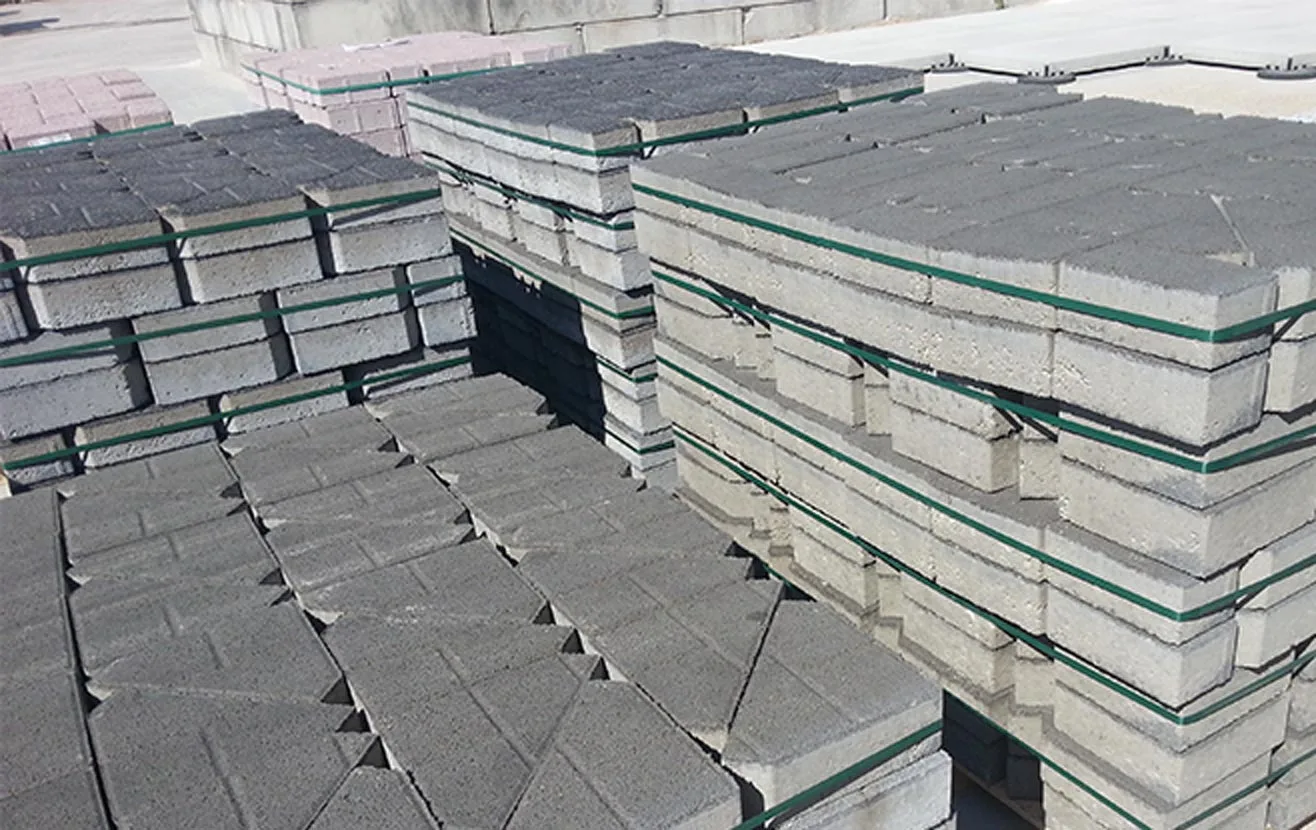
This is a project of the REMEX affiliate company BAUREKA with the University of Kassel aiming at the development of processing steps to produce fine and medium fractions of IBA that can partially replace binder and aggregates in paving stones.
- Treatment includes washing and metal sorting, followed by grinding and screening of the fine fraction.
- Trials were made with different recipes:
- varying parts of the cement substituted with finely ground IBA
- natural aggregate substituted with the IBA fractions 2–8 mm and 0–2 mm
The paving stones produced were tested in accordance with DIN EN 1338. It proved possible to completely replace the primary aggregate with a grain size of 2–8 mm while meeting the product requirements. Further investigation is needed to fully incorporate the 0–2 mm aggregate fraction and the use as partial cement substitute.
IBA as substitute raw material in clinker production
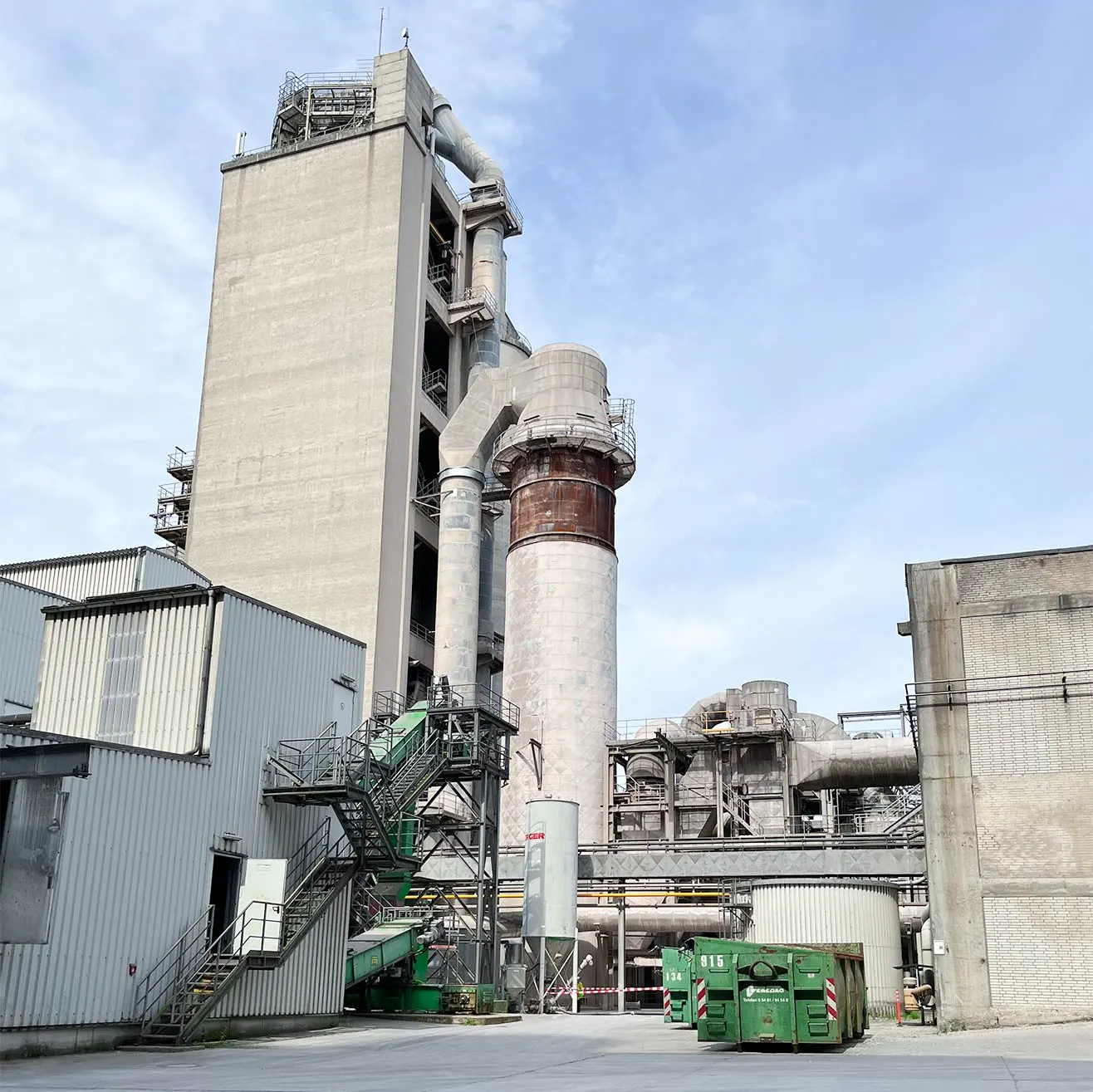
In Italy, IBA fractions are used as raw material substitutes in clinker production, the main component of cement and concrete. The research project “EMSARZEM” aims to facilitate such use in German cement factories. The mineral composition of IBA generally suits the raw meal component spectre such as limestone, clay and iron ore. Investigation works focus on two major processing steps:
- mechanical pre-treatment of IBA by e.g. crushing and sorting of ferrous metals
- selective fine-grinding to produce the following main fractions
- raw-meal-like IBA
- incinerator bottom ash aggregates
- non-ferrous metal mix
First results show, that mineral fractions can be used to substitute cement and concrete raw materials, going along with high sorting and recovering rates for ferrous and non-ferrous metals contained in IBA.
The project is scientifically supported by the German Cement Association (VDZ) and co-funded by the German Government. For more detailed information read our blog article
Cement clinker substitute
The idea behind this development is to combine different mineral waste streams – i.a. ferrochrome slag and IBA – to synthetically reach material properties similar to traditional cement clinker. The principle is based on thermal transformation of such a material combination into a reactive glass-like mineral.
- Development of a suitable mineral waste mix, including quality and supply control, based on i.a. IBA
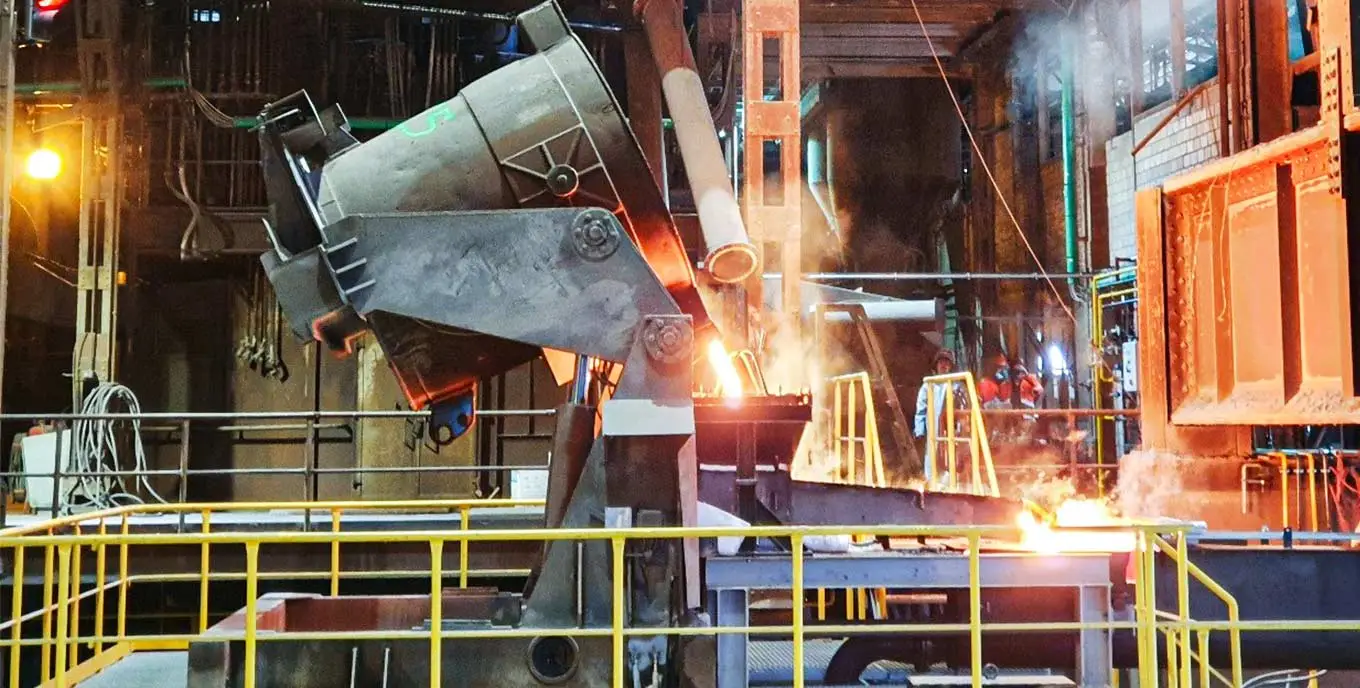
- Production of granular material by melting the raw mix in electric furnaces like used in ferrochrome production
- Fine grinding of such material, together with traditional components, to standard cement types
Effect: Potentially only 20% of CO2 emissions compared to traditional portland cement clinker
Partners include ferrochrome producer and concrete engineering company. The project is funded by the German Federal Research and Development Ministry (BMFTR).
More innovation with move4ward!
REMEX is keen to advance high-end application of secondary minerals which is why we support people with forward-looking ideas.